Recording studios are often described as the heart of music production — but that description doesn’t really explain why they matter, or what they actually contribute to a finished record.
With modern home setups becoming more accessible than ever, many artists wonder whether booking a professional Recording Studio is still necessary. The short answer is yes — but not for the reasons most people think.
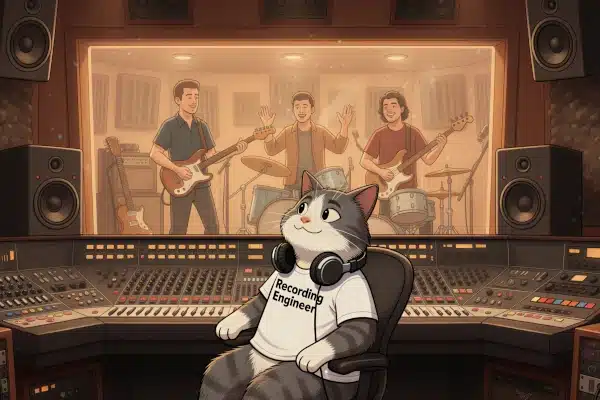
A professional Recording Studio isn’t defined by microphones, software, or brand names. It’s defined by control.
Control over:
A studio is designed so what you hear is trustworthy. When you make a change, you can rely on it translating outside the room — to cars, headphones, streaming platforms, and broadcast systems.
That reliability is something most untreated home spaces simply can’t provide.
In professional music production, the studio’s job is to remove uncertainty from the creative process.
Instead of asking:
A recording studio allows artists and producers to focus on performance, arrangement, and emotion — not second-guessing technical limitations.
This is why recordings made in studios tend to feel more finished, even before mixing or mastering begins.
One of the most overlooked advantages of a professional Recording Studio is acoustic control.
Good acoustics mean:
This isn’t about soundproofing alone. It’s about how sound behaves inside the room.
Acoustic treatment ensures that what’s being recorded — and what’s being heard during playback — represents reality, not the room’s flaws. Without this, even high-end equipment can give misleading results.
For a simple breakdown of room acoustics fundamentals, this overview is useful:
Acoustics 101: Recording
Home studios are fantastic for writing, experimenting, and developing ideas. Many great songs start there.
The difference comes when it’s time to commit.
A professional Recording Studio provides:
This doesn’t replace creativity — it protects it. Artists spend less time troubleshooting and more time creating.
One of the least talked-about benefits of working in a Recording Studio is performance quality.
When artists:
Performances tend to improve naturally.
Small details — phrasing, timing, tone — are easier to capture when the environment isn’t working against you. This often means fewer takes and better results.
A Music Production Studio isn’t just a technical environment — it’s a psychological one.
Being in a dedicated creative space signals focus. There’s a beginning and an end to the session. Decisions get made. Momentum builds.
This structure often leads to stronger outcomes than open-ended home sessions, where ideas can remain unfinished indefinitely.
For a deeper look at the producer’s role in guiding creative outcomes, this is a solid overview:
Avid: The Role of a Music Producer
Recording studios aren’t about exclusivity or prestige. They exist because certain parts of music production benefit from precision, consistency, and perspective.
A professional Recording Studio:
For artists serious about releasing music — not just making it — this environment still plays a vital role.
A recording studio doesn’t replace talent, creativity, or preparation. It amplifies them.
Understanding what a professional Recording Studio actually does makes it easier to decide when it’s time to step into one — and why the results often speak for themselves.
At Moreish Studios, our focus is on creating an environment where music can be captured clearly, confidently, and without unnecessary obstacles — so artists can concentrate on what matters most: the music itself.
Learn more about our Recording services or explore our Music Production workflow. If you’d like to talk through your project, get in touch.