Audiobooks live or die by one thing: how easy they are to listen to.
Unlike music or film, there’s nowhere for bad sound to hide. No visuals to distract, no melody to soften the edges. When listeners press play on an audiobook, they’re committing hours of their attention to a single voice — and that means sound quality isn’t just important, it’s everything.
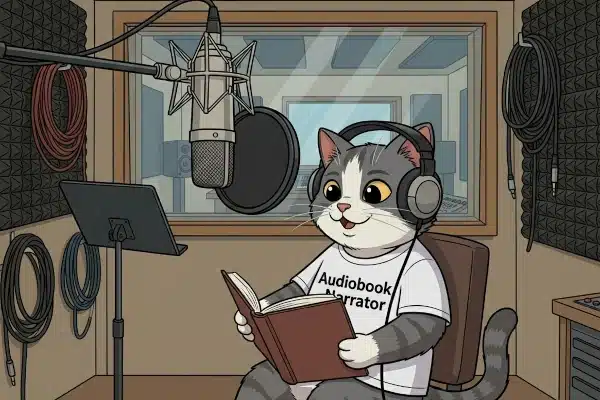
This is why most professionally released audiobooks are recorded in a purpose-built recording studio, even when the narrator has access to good home equipment.
It’s a strange but well-documented truth: people will happily watch grainy video if the audio is clean, but they’ll switch off almost immediately if the sound is unpleasant — even if the video looks great.
With audiobooks, audio is the entire experience. Any issues become impossible to ignore:
Once a listener notices these distractions, they don’t just hear them — they start listening for them. At that point, immersion is broken.
A well-recorded audiobook feels calm, controlled, and natural. Your brain doesn’t have to work to decode the sound — it can focus entirely on the story or information being delivered.
This comes down to things a professional recording studio is designed to handle:
When these elements are right, listeners can stay engaged for hours without fatigue. When they’re wrong, even the best narration becomes tiring.
One of the biggest misconceptions about audiobook production is the idea that “we’ll just clean it up in editing.”
The reality is that badly recorded audio limits what can be fixed. Mouth clicks, harsh breaths, and lip smacks are far easier to control at the source than they are to remove later — especially without damaging the natural sound of the voice.
In a professional studio:
If you are concerned about making many “mouth noises” in your recording, rest assured most quality engineers can remove most of it, but that doesn’t mean a little technique can’t go a long way and save both you and the engineer some time and money:
Avoiding Mouth Noises
This saves time, preserves vocal quality, and avoids the over-processed sound that often plagues DIY audiobook recordings.
Audiobooks aren’t about one perfect take — they’re about hundreds of consistent takes across multiple sessions.
A professional studio ensures:
This consistency is incredibly difficult to maintain in a home environment, where room conditions, noise, and equipment placement often change without you realising.
Here’s something people don’t always consciously realise:
the quality of the audio influences how credible the content feels.
Clean, well-recorded sound signals care, authority, and professionalism. Listeners subconsciously associate it with:
When the audio feels rushed, noisy, or unpolished, the message itself often feels the same — regardless of how good the writing or narration actually is.
Put simply: people care more when you care more.
Narrating an audiobook is demanding. Long sessions require stamina, concentration, and emotional control. The last thing a narrator should be worrying about is whether the mic is clipping or the neighbour’s noise is being picked up.
In a professional recording studio:
This leads to better performances, fewer retakes, and a more natural final result.
Even experienced voice artists with home setups often return to professional studios for long-form narration. Not because they can’t record at home — but because studios make the process:
And most importantly, the end product sounds effortless to the listener.
Many platforms also have specific technical expectations for audiobook delivery (noise floor, peaks, RMS levels, etc.). ACX provides an overview of common requirements here:
ACX Audio Submission Requirements
An audiobook is an intimate experience. It lives in headphones, cars, bedrooms, and long quiet moments. Any flaw in the sound becomes part of that experience — for better or worse.
Recording in a professional studio isn’t about luxury or ego. It’s about respect:
Because when the sound disappears, the message shines.
If you’d like help recording an audiobook (or spoken-word project) with clarity, consistency, and comfort, get in touch and we’ll plan the right session for your voice and your format.