Working with a mixing studio for the first time can feel intimidating — especially if you’re unsure what to expect or how to prepare. The good news is that great mixes don’t come from perfect sessions; they come from clear communication, realistic expectations, and a collaborative process.
Here’s how to get the most out of working with a professional mixing studio, whether it’s your first project or your tenth.
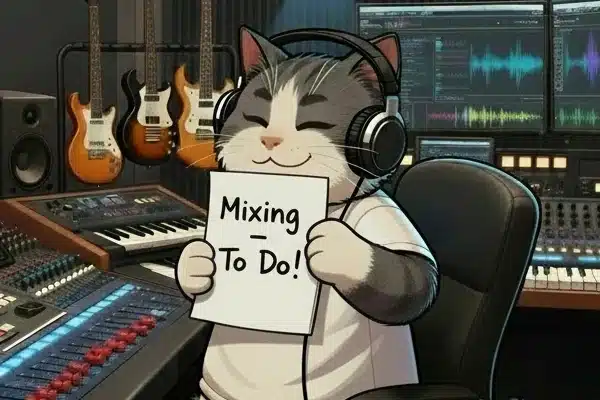
Good preparation doesn’t mean perfection — it means intentionality.
Before sending your files or booking time with a mixing studio, make sure:
You don’t need flawless recordings — but you do need clarity about what the song is trying to be.
Providing reference tracks is one of the most helpful things you can do.
A good mixing studio isn’t trying to copy another artist — references help communicate:
One to three references is plenty. Too many can actually slow the process down.
For a deeper look at how references are used in professional mixing, Sound On Sound has a helpful breakdown:
iZotope: Using Reference Tracks When Mixing
Once your files are reviewed, a mixing engineer may flag issues with:
This isn’t criticism — it’s part of ensuring the mix translates well outside your home setup. Some problems can be fixed in the mix; others are best addressed earlier. A professional mixing studio will be honest about the difference.
Great mixes are rarely finished in one pass — especially with new clients.
Mix revisions usually focus on:
The most efficient revisions happen when feedback is specific.
For insight into how professional engineers evaluate mixes across different systems, this article explains translation clearly:
iZotope: What Is Frequency Masking?
Mixing is collaborative. You don’t need to speak in technical terms — just describe what you’re hearing and how it feels.
Good communication sounds like:
Clear feedback saves time, revisions, and frustration on both sides.
The best mixes often come from ongoing collaborations.
Over time, a mixing studio learns:
That familiarity leads to faster turnarounds, fewer revisions, and more consistent releases.
A great relationship with a mixing studio isn’t about rules — it’s about trust, clarity, and collaboration.
At Moreish Studios, we focus on making the mixing process clear, calm, and productive — guiding artists through each step without unnecessary friction. Whether it’s your first mix or part of a long-term release plan, we’re here to help the music translate the way it should.
Learn more about our Mixing services or get in touch to talk through your project.