Walking into a professional recording studio for the first time can feel like stepping into a completely different world. Between the equipment, terminology, and fast-paced workflow, many artists ask the same question:
“Do I need to understand music theory to work with a music producer?”
The short answer is: no — but it can help.
The better answer is: you don’t need it if you’re working with the right producer.
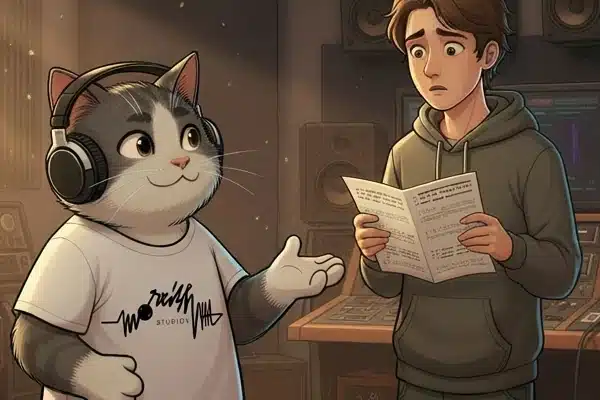
A music producer is far more than someone who records your vocals or presses “record.” They guide the entire creative process — from shaping arrangements and refining performances to overseeing recording, mixing, and final delivery.
Think of a producer as the bridge between:
In a professional recording studio, this process becomes faster, clearer, and far more effective.
Music theory is often described as the language of music. It covers things like:
For some artists, it’s essential. For others, it’s completely secondary.
Many successful artists have built careers without formal theory knowledge — because creativity doesn’t require academic understanding. What matters more is how you communicate your ideas.
Working with a music producer is ultimately about communication.
You don’t need to say:
“Let’s modulate to the relative minor in the second chorus.”
You can say:
“I want this part to feel darker and more emotional.”
A skilled producer will translate that into:
That’s where professional experience becomes invaluable.
This is where the difference between DIY production and a professional studio becomes very clear.
You might have:
A producer can:
What starts as a rough idea becomes a fully realised track — quickly and efficiently.
Without a producer, artists often get stuck on:
Instead of spending hours troubleshooting, a professional studio workflow lets you stay focused on performance and creativity.
A producer doesn’t just finish your track — they improve it.
They:
This is where experience makes the biggest difference.
Even if you understand music theory, your environment still matters.
In a professional recording studio:
This removes guesswork from the process.
Instead of wondering whether something sounds right, you know it does.
There’s nothing wrong with learning music theory — it’s incredibly valuable.
But it’s important to separate:
When you’re creating, especially in a studio, your focus should be:
Let the producer handle:
That’s what they’re there for.
At Moreish Studios, we work with artists at all levels — from complete beginners to experienced musicians.
Some clients:
Others:
Both get the same outcome:
a professional, release-ready result.
Because our job isn’t to test what you know — it’s to get the best possible version of your music out of you.
You don’t need music theory to work with a music producer.
You need ideas, intention, and a willingness to collaborate.
With the right producer and the right recording studio, even the simplest idea can become something powerful.
And often, the less you overthink the theory — the more honest the music becomes.